
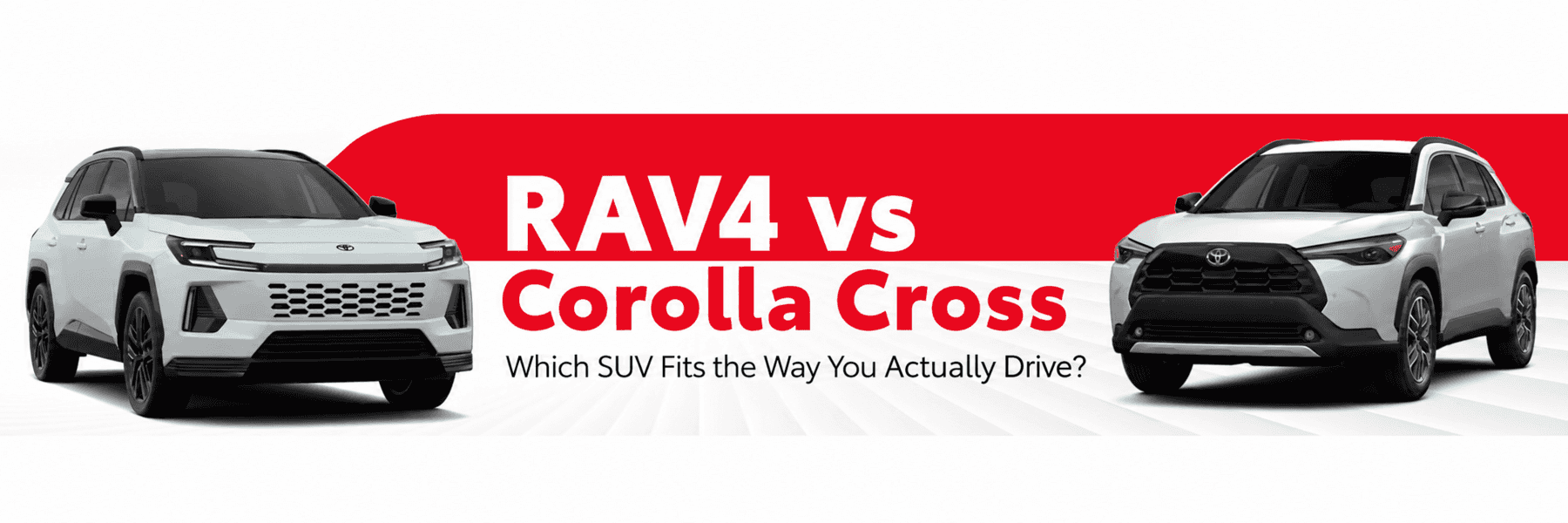
2026 Toyota RAV4 vs. Corolla Cross: Which SUV Fits the Way You Actually Drive?
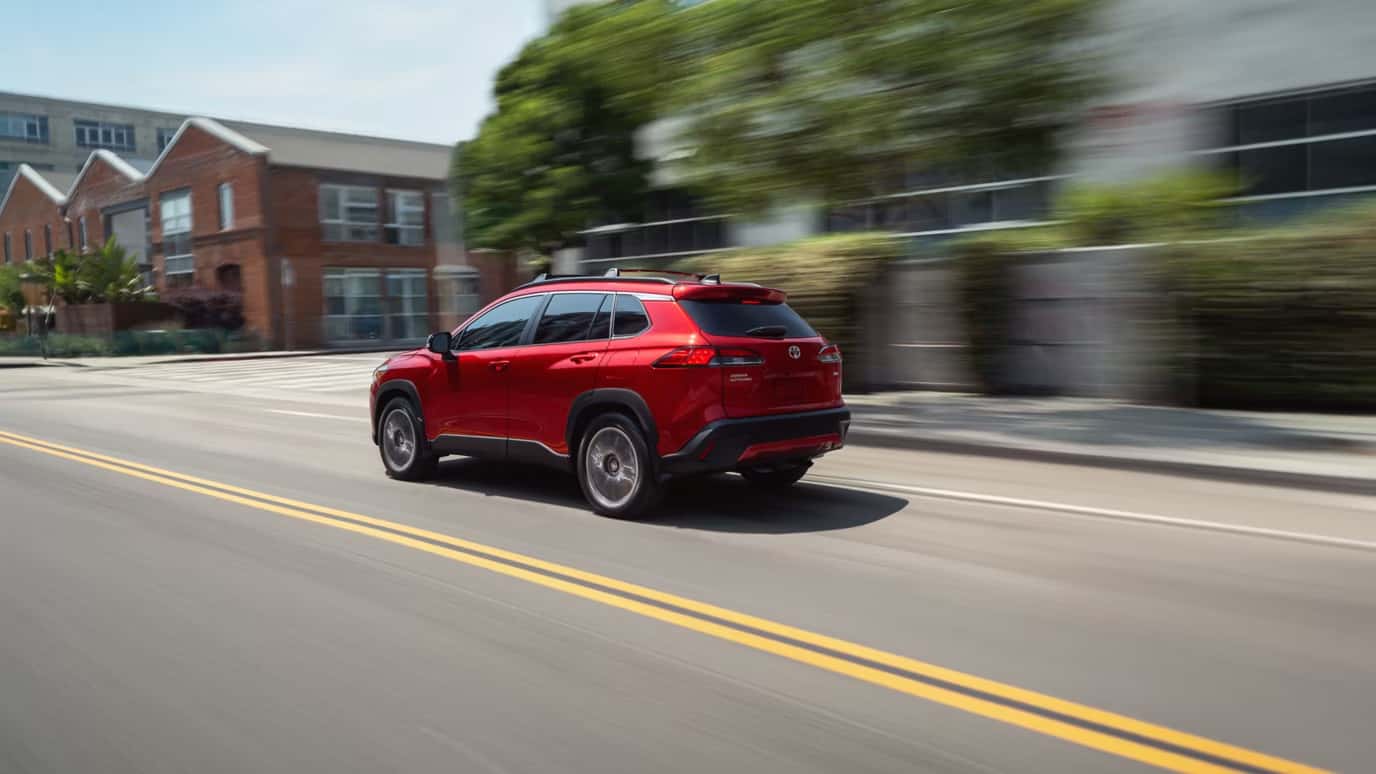
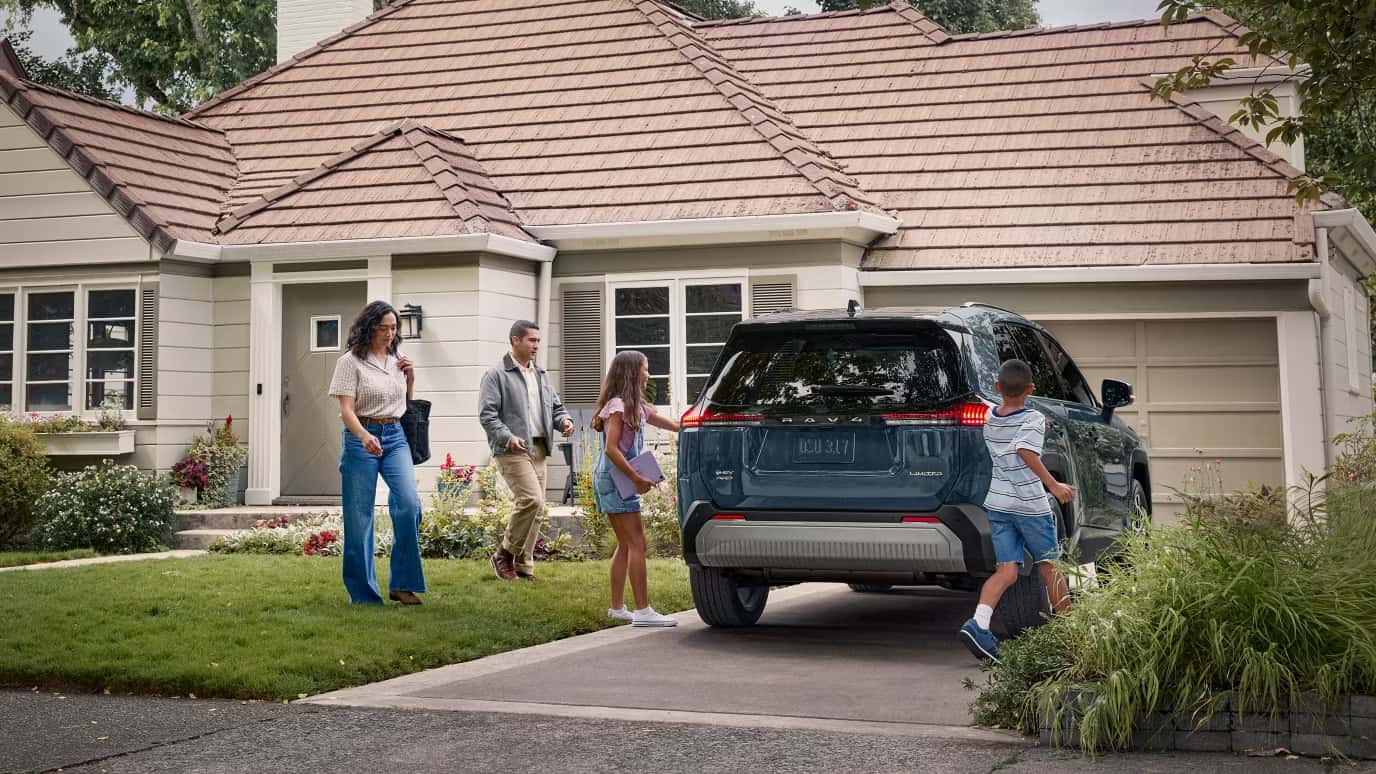
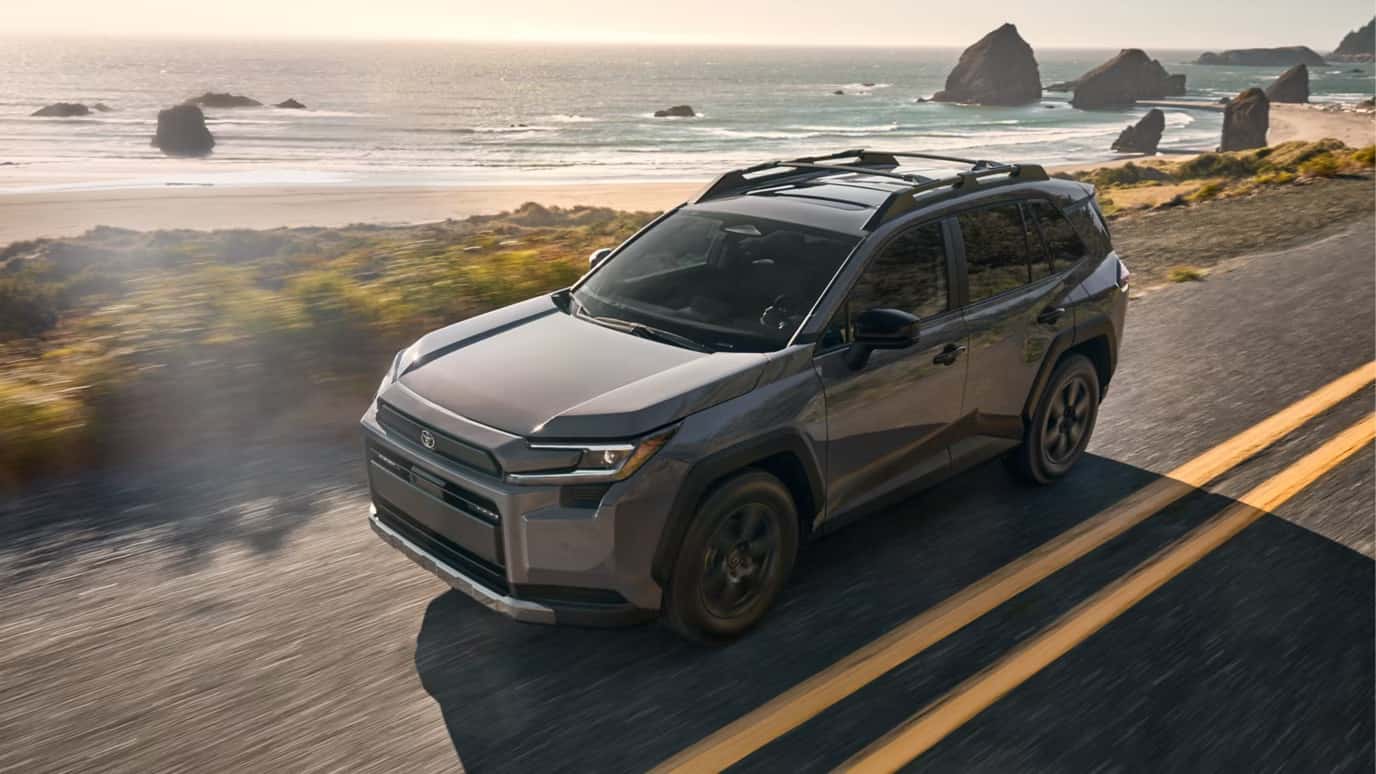
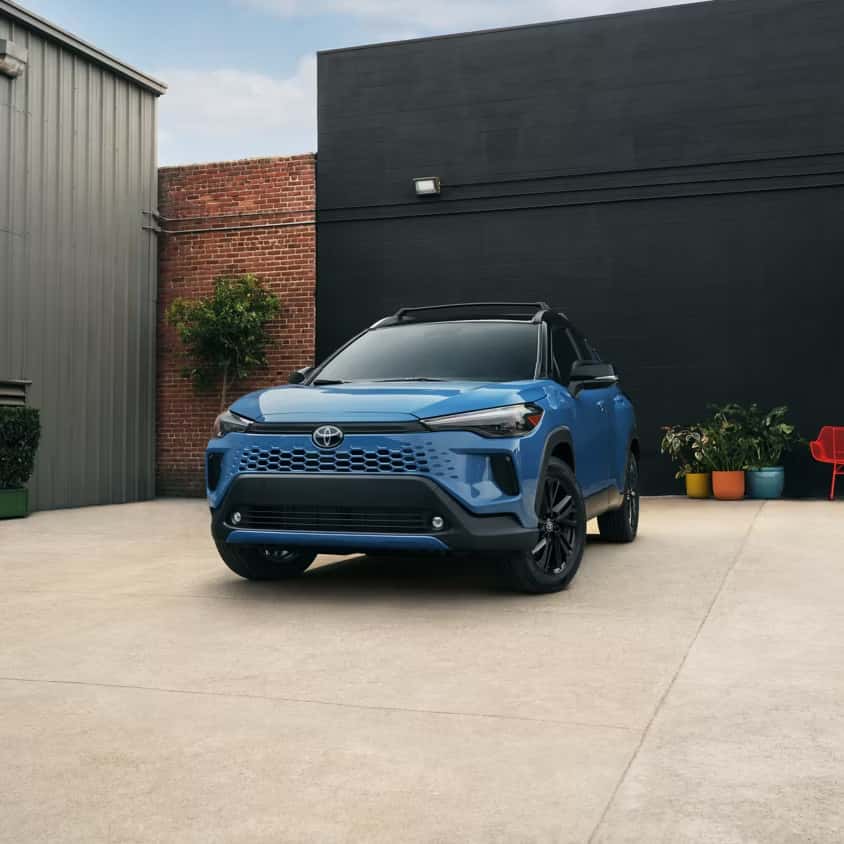
Two Toyota SUVs can handle the same morning commute but offer very different experiences once the passengers, luggage, and weekend plans come along. The 2026 Toyota Corolla Cross makes a strong case for drivers who appreciate a smaller footprint around Lincolnwood and Chicago. The redesigned 2026 Toyota RAV4 gives shoppers another reason to look closer: more room for rear-seat passengers, greater cargo flexibility, and a hybrid powertrain throughout the lineup.
That difference matters when a quick drive down Cicero Avenue becomes an expressway trip on the Edens, or when a Saturday shopping trip turns into loading luggage for a weekend away. The better choice is not necessarily the larger SUV or the lower starting price. It is the Toyota that fits the way you use your vehicle most often.
There is an important 2026 distinction worth understanding before comparing prices: every new RAV4 is electrified, while the Corolla Cross still offers both traditional gasoline and hybrid powertrains. That opens three different conversations—a lower-priced gas Corolla Cross, an efficient Corolla Cross Hybrid with standard AWD, and a roomier RAV4 Hybrid with more power.
2026 Toyota RAV4 vs. Corolla Cross: The Numbers That Matter
Both vehicles seat five, but the numbers tell more than a simple small-versus-large story. The RAV4 creates considerably more rear-seat and cargo room, while the Corolla Cross offers a shorter exterior and a lower entry price. For hybrid shoppers, the Corolla Cross Hybrid also provides standard all-wheel drive without requiring a charging cable.
| Published specification | 2026 RAV4 Hybrid | 2026 Corolla Cross Gas | 2026 Corolla Cross Hybrid |
|---|---|---|---|
| Starting MSRP (example base grade) | $31,900 (LE FWD) | $25,335 (L FWD) | $29,795 (Hybrid S AWD) |
| Combined horsepower | 226 FWD / 236 AWD | 169 | 196 |
| Drivetrain availability | FWD or AWD, by grade | FWD or AWD, by grade | AWD standard |
| EPA-estimated combined MPG (example) | 43 (LE FWD); 42 (LE AWD) | 32 (L FWD); 30 (gas AWD) | 42 (Hybrid S AWD) |
| Overall length | 181.0 in. (LE reference) | 176.1 in. | 176.1 in. |
| Rear legroom | 37.8 in. | 32.0 in. | 32.0 in. |
| Cargo room behind rear seats | Up to 37.8 cu. ft. | 24.0 cu. ft. (FWD reference) | 21.5 cu. ft. |
| Maximum towing capacity | Up to 3,500 lb. on specified AWD grades; LE rated 1,750 lb. | 1,500 lb. | 1,500 lb. |
| Toyota Safety Sense | 4.0 | 3.0 | 3.0 |
Specifications are 2026 model-year reference figures, not guarantees for every trim. RAV4 exterior dimensions and cargo volumes vary on some grades, including Woodland and GR SPORT. Corolla Cross cargo capacity varies by configuration. Starting MSRPs exclude delivery, processing, handling, taxes, title, licensing, and dealer-installed options; price and availability can change. Confirm exact equipment and ratings on the vehicle being considered.
Is the RAV4 Too Big for Parking Around Lincolnwood and Chicago?
Toyota lists the reference RAV4 at 181.0 inches long, compared with 176.1 inches for the Corolla Cross. That 4.9-inch difference sounds modest until you are trying to clear a garage shelf, fit into a familiar curbside space, or open the liftgate with another vehicle parked close behind. The Corolla Cross also measures 71.9 inches wide versus 73.0 inches for the reference RAV4, giving compact-SUV shoppers another reason to compare both in person.
But the extra length is not wasted. The RAV4 provides 37.8 inches of rear legroom compared with 32.0 inches in the Corolla Cross. If adults or growing teenagers regularly ride behind you, that 5.8-inch difference can matter more than what you give up in a parking space. Sit in the back of each SUV with the front seat positioned where you would actually drive; that test tells you more than standing beside two vehicles in a showroom.
Which Toyota Has More Useful Cargo Space?
The RAV4 offers up to 37.8 cubic feet of cargo space behind the rear seats. The Corolla Cross provides 24.0 cubic feet in the referenced front-wheel-drive gas configuration, while the Corolla Cross Hybrid has 21.5 cubic feet. Those figures are measured with the rear seats available for passengers—the situation that matters when a stroller, groceries, and weekend bags all have to travel at once.
A smaller vehicle can still be the smarter purchase if you mainly carry one or two people and light cargo. The difference becomes meaningful when you routinely keep the second row upright, take sports equipment to practice, or pick up family at the airport. Bring the stroller, folding cart, or luggage you actually use when you compare the SUVs at Serra Toyota Lincolnwood. A real loading test will settle questions a specification chart cannot.
Do You Need to Plug In the 2026 RAV4 or Corolla Cross Hybrid?
No. The regular 2026 RAV4 Hybrid and Corolla Cross Hybrid are gasoline-electric hybrids that recharge their batteries as you drive and do not require external charging. You can park on a North Side street, use a typical gas station, and still enjoy hybrid efficiency. The Corolla Cross also offers a non-hybrid 2.0-liter gasoline engine for shoppers who prefer that powertrain or want the lowest starting MSRP.
The RAV4 Plug-in Hybrid is a separate choice within the broader RAV4 family. It can use external charging to replenish its larger battery, but it is not the same as the conventional RAV4 Hybrid shown in our main comparison. If a plug-in model interests you, ask our team to compare its equipment, price, and charging routine separately rather than assuming every 2026 RAV4 needs a plug.
Which Gets Better Gas Mileage, Especially With All-Wheel Drive?
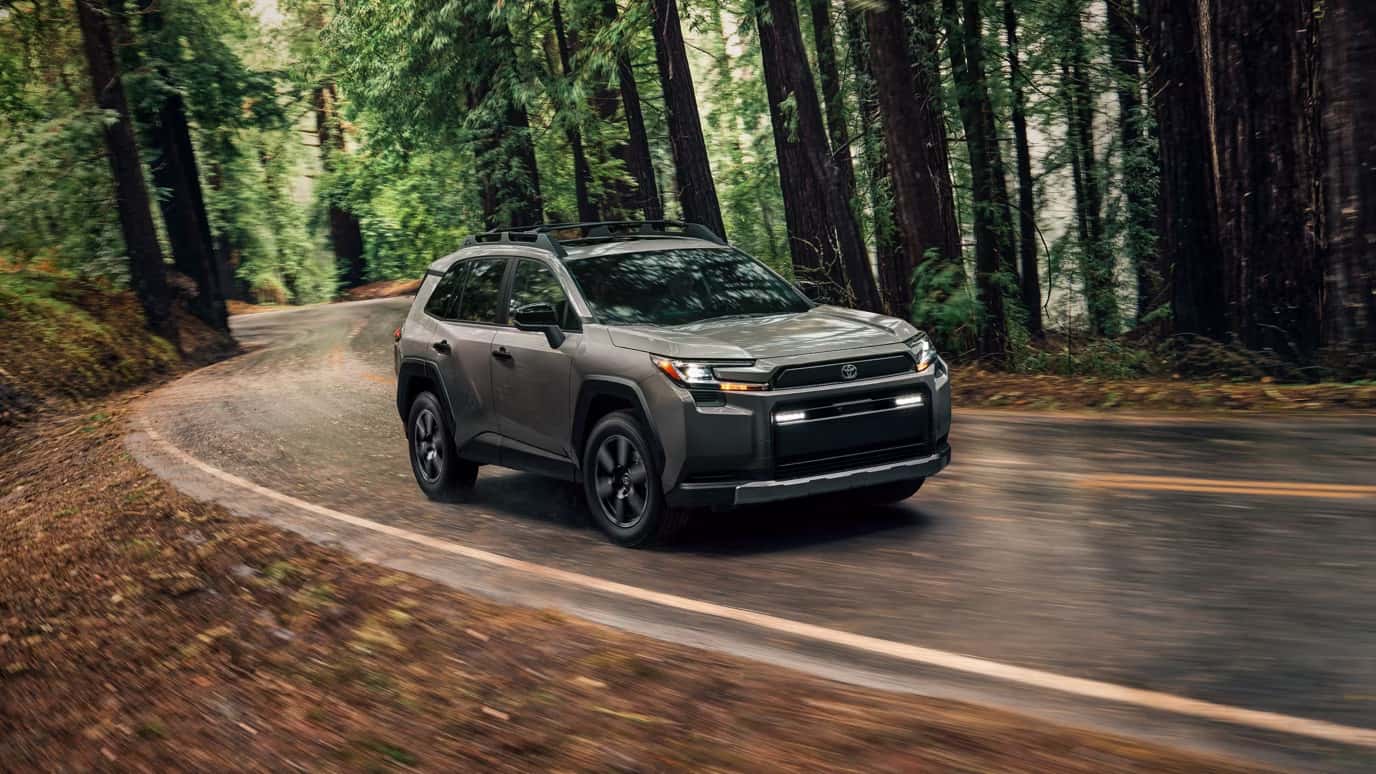
The fairest mileage comparison starts with the drivetrain you want. Toyota rates the 2026 RAV4 LE FWD at an EPA-estimated 43 mpg combined and the RAV4 LE AWD at 42 mpg combined. The Corolla Cross Hybrid, which comes with AWD, is also EPA-estimated at 42 mpg combined. If you want a conventional hybrid with AWD, these two Toyota choices therefore begin at the same published combined-mpg estimate in the cited configurations.
The gas-powered Corolla Cross is rated at an EPA-estimated 32 mpg combined with FWD and 30 mpg combined with AWD. That does not make it a poor fit: a lower starting purchase price may matter more to one buyer, while another values saving fuel over years of longer commutes. Avoid comparing the 43-mpg FWD RAV4 number against an AWD model and calling one SUV universally more efficient. Actual fuel economy will vary with weather, speed, driving habits, and vehicle condition.
Is the RAV4 Worth More Than the Corolla Cross?
Toyota lists the 2026 Corolla Cross L FWD from $25,335, the Corolla Cross Hybrid S AWD from $29,795, and the RAV4 LE FWD from $31,900. That places the entry-level RAV4 $6,565 above the base gas Corolla Cross on published starting MSRP. But this is not a like-for-like equipment or powertrain comparison: one includes a hybrid system and more passenger and cargo space, while the other keeps the initial purchase price lower.
For a more relevant all-wheel-drive hybrid comparison, Toyota lists the RAV4 LE AWD from $33,300 versus $29,795 for the Corolla Cross Hybrid S AWD, a $3,505 difference before applicable fees and options. That is the choice to weigh against the RAV4’s additional space and horsepower. Ask about actual vehicles, window stickers, out-the-door pricing, and available equipment; a starting MSRP does not represent Serra Toyota Lincolnwood’s selling price or an offer on a particular VIN.
How Do Technology and Safety Features Compare?
The 2026 RAV4 brings a newer technology foundation. Toyota lists a standard 12.3-inch digital gauge cluster, a standard 10.5-inch multimedia touchscreen, and Toyota Safety Sense 4.0 across the RAV4 lineup. Available RAV4 equipment includes a larger 12.9-inch touchscreen and advanced parking or convenience features on certain grades. Check the exact trim because advanced features and connected-service requirements are not universal.
The Corolla Cross is not short on useful technology, but its equipment mix is different. Toyota lists an 8-inch touchscreen on the Corolla Cross L and Hybrid S, while a 10.5-inch screen and 12.3-inch digital gauge cluster appear on higher grades such as gas XLE and Hybrid XSE. Corolla Cross uses Toyota Safety Sense 3.0. Both Toyota Safety Sense generations include driver-assistance functions, but the version number alone is not a substitute for checking the actual features you want. Neither system replaces attentive driving.
Which Toyota Makes More Sense for Winter Driving or Towing?
For a winter commute across Lincolnwood, Skokie, and the surrounding expressways, drivetrain choice deserves attention. Corolla Cross Hybrid includes electronic on-demand AWD as standard; AWD is available on the gas Corolla Cross and on numerous RAV4 Hybrid grades. AWD can help distribute driving force when traction is limited, but it cannot overcome worn tires, excessive speed, or inadequate stopping distance. Tires, road conditions, and sensible driving still matter on a snowy Chicago morning.
Towing is another reason not to treat every RAV4 configuration as identical. The Corolla Cross is rated for up to 1,500 pounds. Toyota rates the 2026 RAV4 LE at 1,750 pounds, while specified RAV4 AWD grades are rated for up to 3,500 pounds. If a small trailer is part of your plans, confirm the exact grade, equipment, hitch requirements, trailer weight, and owner’s manual rather than relying on the lineup’s highest advertised number.
RAV4 or Corolla Cross: Which One Fits Your Everyday Routine?
Consider the Corolla Cross gas model if most trips involve one or two people, your parking situation rewards a smaller footprint, and keeping the initial purchase price lower is a priority. You still get a five-passenger Toyota crossover, and you can ask about AWD if your driving routine calls for it.
Compare the Corolla Cross Hybrid if you want standard AWD and a strong EPA-estimated combined fuel-economy rating in the smaller package. It can be particularly compelling when your commute involves stop-and-go traffic, but you do not routinely fill a larger cargo area.
Look closely at the RAV4 Hybrid if you carry passengers often, regularly use the cargo space behind an occupied second row, or want the additional hybrid horsepower. The RAV4 may also become the more practical match when you need a towing configuration beyond the Corolla Cross’s published rating. None of those advantages eliminates the Corolla Cross from consideration; they simply make the tradeoff clearer.
Frequently Asked Questions About the 2026 RAV4 and Corolla Cross
Is the 2026 Toyota RAV4 bigger than the Corolla Cross?
Yes. The reference RAV4 measures 181.0 inches long versus 176.1 inches for the Corolla Cross, and it provides 37.8 inches of rear legroom versus 32.0 inches. Some RAV4 grades have different exterior dimensions, so verify the exact vehicle if garage clearance is tight.
Does the 2026 RAV4 come with a gasoline-only engine?
No. Toyota’s 2026 RAV4 lineup consists of hybrid and plug-in hybrid models. The 2026 Corolla Cross continues to offer both gasoline-only and conventional hybrid versions, making it the Toyota of these two with the lower-priced gas-engine entry point.
Is the Corolla Cross Hybrid or RAV4 Hybrid better on gas?
It depends on grade and drivetrain. The RAV4 LE AWD and Corolla Cross Hybrid AWD are each EPA-estimated at 42 mpg combined, while the RAV4 LE FWD is rated at 43 mpg combined. Compare the configuration you are actually shopping, not only the highest MPG published for the nameplate.
How much more cargo room does the RAV4 have?
The 2026 RAV4 offers up to 37.8 cubic feet behind the rear seats versus 24.0 cubic feet in the referenced Corolla Cross gas FWD model and 21.5 cubic feet in the Corolla Cross Hybrid. Actual space and usable shape vary by grade, so bring your everyday gear for a practical fit check.
Do both SUVs have all-wheel drive?
Yes, AWD is offered on both model families, but it is not standard on every version. Corolla Cross Hybrid has standard AWD; gas Corolla Cross and RAV4 Hybrid drivetrain availability depend on the selected grade.
Can I tow with a Corolla Cross or RAV4?
Toyota lists the Corolla Cross at up to 1,500 pounds and the RAV4 at up to 3,500 pounds on specified AWD grades. The RAV4 LE is rated for 1,750 pounds, not 3,500, which is why a trim-specific towing check is essential before choosing a vehicle or trailer.
Which Toyota should a family choose?
Start with who rides in the second row and what needs to fit behind it. The RAV4’s additional rear legroom and cargo capacity may be more convenient for frequent passengers and packed weekends, while the Corolla Cross can fit a family whose cargo needs and parking routine favor a smaller SUV. A comparison visit is the best way to check seating comfort, child-seat fit, and loading access on actual vehicles.
Compare Both Toyota SUVs at Serra Toyota Lincolnwood
Serra Toyota Lincolnwood is at 7225 N. Cicero Avenue. Tell our sales team whether your usual route includes neighborhood streets, Touhy Avenue, the Edens, or a combination of all three, and describe the people and cargo you carry most often. We can discuss the RAV4 and Corolla Cross models you are considering, help you review their posted equipment, and answer questions about which vehicles may be available to see.
Start with our current model listings, then contact the sales team to request a side-by-side comparison visit. Inventory changes, and a web listing does not guarantee a specific vehicle is on site or available for an immediate test drive. Confirm availability and the exact trims before making the trip.